


The Design Decisions That Add Value (Without Overdoing It)
Written by Hayley Fellows-Prior, Interior Designer and Founder of Atelier 44.

You may not be looking to sell your home, but it's always helpful to know the design decisions that drive value rather than devaluing a space. Or spending lots of money and making no difference to the overall value at all(!)
When people think about adding value to their home, the focus is often on what to change. New kitchen. New bathroom. Maybe knock a wall down.
But in reality, it’s not just about what you do, it’s how thoughtfully it’s done.
The homes that feel the most valuable aren’t always the most expensive. They’re the ones that feel calm, cohesive, and considered from the moment you walk in. If you’re thinking about where to invest, these are the design decisions that genuinely make a difference, without tipping into overdone or over-spent.

1. Start With Layout, Not Finishes
Before thinking about colours, tiles or worktops, look at how your home actually flows.
A well-resolved layout will always add more value than beautiful finishes in the wrong place.
Ask yourself:
Does the space feel easy to move through
Is there a natural connection between rooms?
Are you making the most of the footprint you already have?
Open-plan living can work beautifully, but it’s not always the answer. Zoning a space properly often creates a more considered, liveable result.
This is usually the part people rush, and it’s where the biggest value lies.

2. Design a Kitchen That Works Quietly in the Background
The kitchen will always be a focal point, but the best ones don’t shout for attention. They just work, effortlessly.
What adds value here isn’t excess, it’s restraint:
Integrated appliances for a seamless look
Good storage that keeps surfaces clear
Durable materials that age well
Lighting that’s practical but softens the space
It’s less about creating a “show kitchen” and more about designing something that feels easy to live with every day.
Over-capitalising is easy here. A well-designed, mid-range kitchen often performs far better than something overly high-end for the area.
3. Keep Bathrooms Simple, Calm and Well Resolved

Bathrooms don’t need to be complicated to feel good.
In fact, the more pared back they are, the more timeless they tend to feel.
The details that really matter:
A layout that feels open, not cramped
Walk-in showers or clean, minimal bath setups
Soft, flattering lighting
Proper ventilation (often overlooked, but essential)
A bathroom that feels calm and functional will always land better than one that’s trying too hard to impress.
4. Layer Materials Thoughtfully (Not Uniformly)
Some people feel that using the same flooring throughout will make a home feel more valuable. This is false and using the same flooring throughout the whole of your downstairs will feel flat and uninspiring.
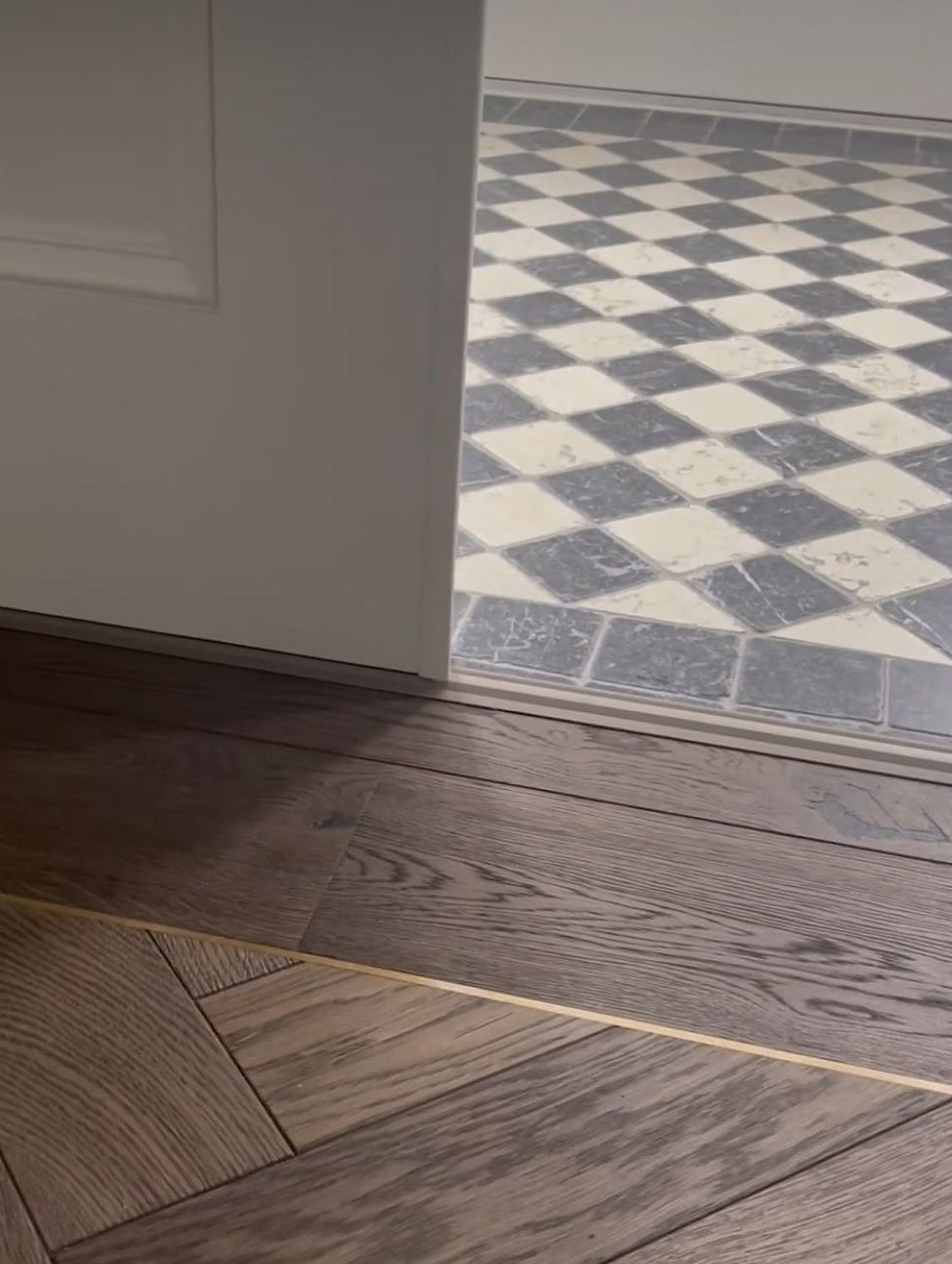
In reality, it’s not about everything matching. It’s about everything working together.
The homes that feel the most considered tend to have a quiet mix of materials, rather than one continuous finish.
What makes the difference:
Using different materials to subtly zone spaces
Keeping a consistent tone or palette, even if finishes change
Pairing harder materials (like wood or stone) with softer elements (like rugs)
Avoiding anything that feels too abrupt or disconnected
For example, a kitchen might sit comfortably in a more durable finish, while a living area feels warmer and softer underfoot. It creates contrast, but still feels intentional.
This kind of layering adds depth and interest, without making the space feel busy.
5. Use Lighting to Shape the Feel of Your Home
Lighting is often left until the end, but it has one of the biggest impacts on how a space is experienced.

A single overhead light rarely does a room justice.
Instead, think in layers:
Ambient lighting for overall softness
Task lighting where you need it
Accent lighting to add depth and warmth
It doesn’t need to be complicated, just considered. Good lighting is what takes a space from functional to something that actually feels good to be in.
6. Add Smart Features, But Keep Them Subtle
Smart home upgrades can add value, but only when they genuinely improve how you live.
The most worthwhile additions tend to be:
Smart heating for better energy control
Simple lighting systems
Discreet security features
It’s not about turning your home into something overly technical. It’s about making everyday life that bit easier.
So, Where Should You Actually Spend?
If you’re trying to make decisions, focus on:
Layout first
Then kitchens and bathrooms
Then the details that bring everything together
And always come back to this:
Will this still feel right in five years?
Because that’s usually where real value sits.
A Final Thought
Adding value isn’t about doing more.
It’s about doing the right things, in the right way.
The homes that stand out are the ones that feel considered, not overworked.
And if you’re at the stage where you’re weighing up what’s worth doing and what isn’t, having a clear plan makes all the difference. It’s very easy to overspend in the wrong places without one.


Comments